


Sometimes the best advice is still the simplest… just do it. Nike shoes aren’t the best shoes… but their motto nails a deep truth.
Many years ago, I put off replacing a shower head for weeks (ok months). It looked annoying. I told myself I needed tools and plumbers tape.
One morning, frustrated… I finally started because I really wanted a normal shower. I finally decided to just start. I removed the broken piece… opened the box… and realized the new head used the same mount. No tools. No tape. I twisted it on by hand.
Two minutes. Done.
Then I took the longest, most relaxing shower in two months… and laughed at myself… because it exposed a bigger truth:
Most delays aren’t about difficulty, they’re about hesitation.
We complicate simple things to justify delay.
We forecast worst-case scenarios to protect our ego.
We overestimate the effort and underestimate the relief.
You don’t build a legacy in one day. You build it on Tuesdays at 3 p.m. with small, finished actions.
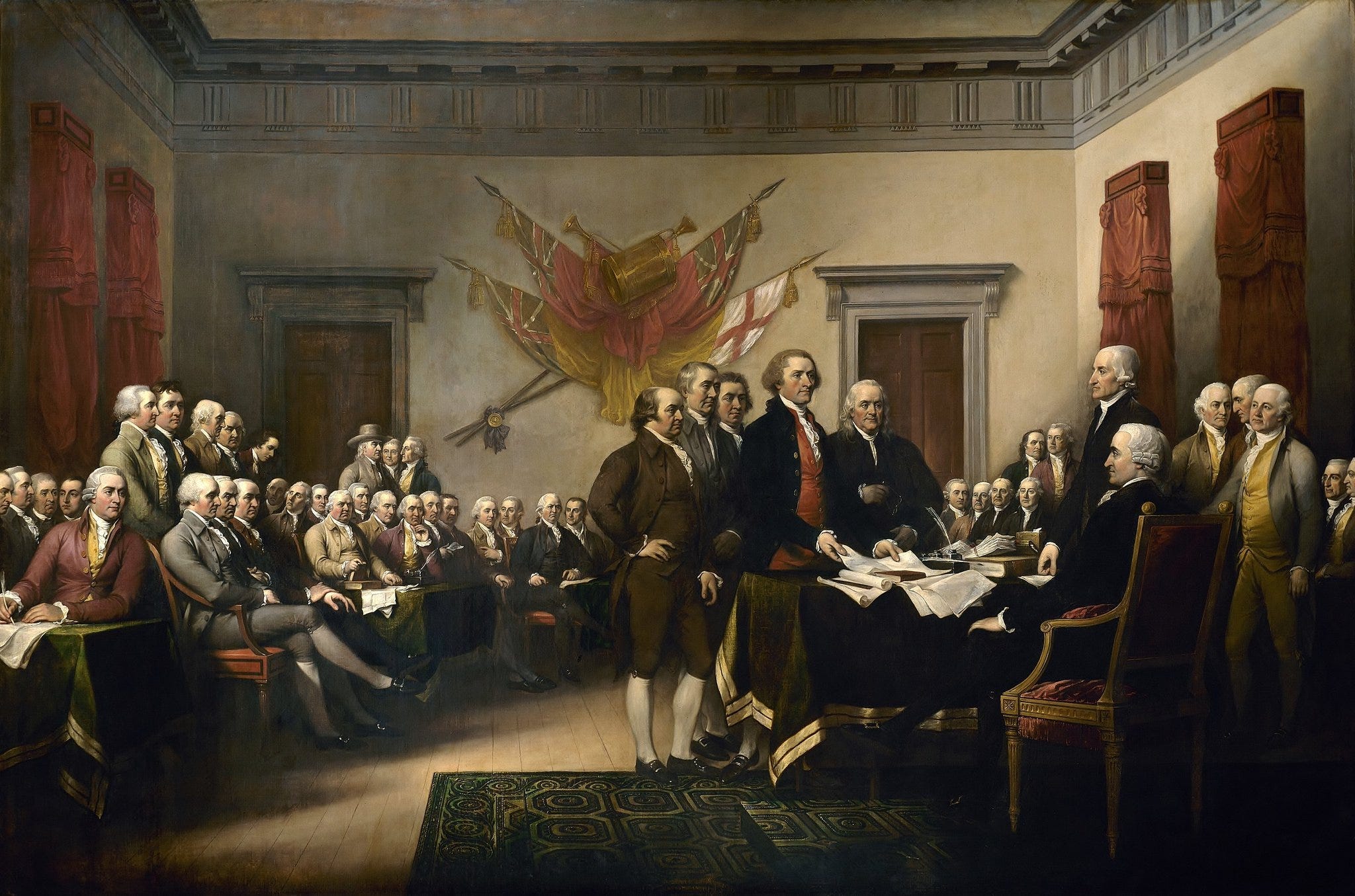
Since it is Election week in America, look at the founders. They started where they were, with what they had, and moved the mission forward one draft, one vote, one risk at a time.
They moved before conditions were perfect. They made progress while wrestling with fear, fatigue, and fierce disagreement. They acted!
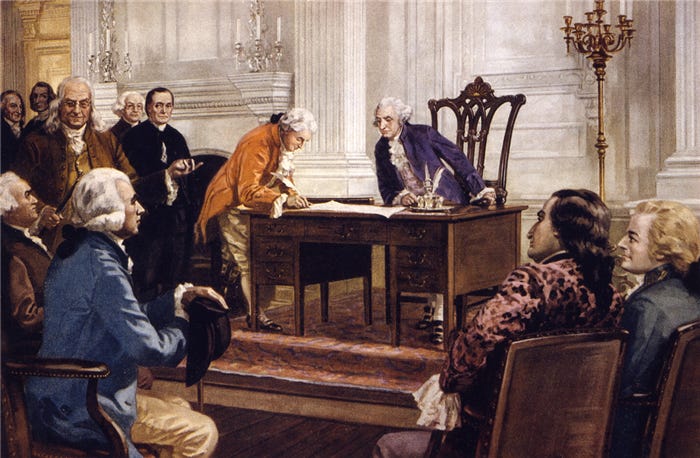
What they did… when they did it
James Monroe, 18
Enlisted in the Continental Army, was wounded at Trenton, survived, kept serving… later became the 5th U.S. President. Teenagers can do hard things.Aaron Burr, 19–20
Joined the army, served with distinction, later became Vice President. His later duel with Hamilton is a cautionary tale about pride… not a reason to ignore early courage.Alexander Hamilton, early 20s
Became Washington’s aide-de-camp around age 20, helped run the war’s information engine. The Federalist Papers came later in his early 30s, but the habit of decisive, disciplined output started young.James Madison, 25 then mid-30s
At 25 he shaped Virginia’s religious liberty statute. In his mid-30s he earned “Father of the Constitution” through relentless preparation and coalition building. Foundations first, legacy after.Thomas Jefferson, 33
Drafted the Declaration of Independence. Thirty-three. Words that outlived empires.John Adams, 40s
Led the independence argument, secured essential alliances. Forties are not “too late.” They are prime time for conviction.Benjamin Franklin, 70s–80s
Signed the Declaration at 70, guided compromise at the Constitutional Convention at 81. He kept producing when most retire. Wisdom compounds if you keep showing up.


What actually made them effective
Prepared minds beat perfect timing. They read, debated, drafted, revised.
Small, shippable units of action: committees, letters, drafts, votes.
Character as operating system: duty before comfort, the common good before personal glory.
Virtue tracked like metrics: Franklin’s 13 virtues were a daily scoreboard, not a vibe.
“Well done is better than well said.” — Benjamin Franklin
Age is not an excuse…
Teens and 20s: learn fast, ship small, seek hard problems, find mentors.
30s: build durable systems, not just sprints. Your words can set direction for decades.
40s: leverage conviction and relationships to move the mission.
50s–60s+: compound wisdom. Coach, reconcile, steady the room.
70s–80s: be the elder who unlocks consensus and courage.
The 48-Hour “Just Do It” Framework
Hour 0–1: Choose the door.
Pick one overdue decision you’ve been avoiding at work, home, or calling. Write it in one sentence.
Hour 1–2: Define the smallest shippable.
What is the 30-minute version you can finish today? Draft the email, outline the proposal, make the phone call, schedule the meeting.
Hour 2–4: Ship it.
Perfect later. Move the piece that unlocks the next piece.
Day 2: Franklin Loop.
Track three virtues for one day: Resolution (finish what you start), Industry (waste no time), Humility (learn out loud). Journal two lines at night: what I shipped, what I learned.
Day 3: Repeat or raise the weight.
If you shipped, raise the difficulty one notch. If you didn’t, shrink the task until you can’t not start.
If after 2-3 days you fail to ship it…use our 10 minute Get-Unstuck Framework
A 10 Minute Get-Unstuck Framework
Minute 1: Name it.
Write the smallest version of the thing you’re avoiding.
Minutes 2–3: Remove friction.
Lay out any parts. Open the doc. Find the number. Put the shoes by the door.
Minutes 4–7: Start the motion.
Twist, type, dial, schedule, submit. No overthinking. No second tab.
Minutes 8–10: Close the loop.
Confirm it’s “good enough for now.” Celebrate the win. Note the next tiny step.
The quiet spiritual core
If you lead a team, a family, a ministry… your people don’t need you perfect. They need you moving. Your motion gives them permission to move too.
The Founders were imperfect and often conflicted, yet many believed accountability to God shaped accountability to one another. For modern leaders, that still matters. Faith reframes the work: you steward outcomes, you don’t control them. Do the faithful thing in front of you… and let God breathe on it.
Your turn
What’s the “shower head” you’ve been avoiding? Name it. Ship the smallest version in the next 48 hours. Leave a comment with what you moved. I’ll read every one.
Because momentum beats perfection… and history belongs to the doers.
I get stuck obsessing over just doing. Great story to bring it home. Sometimes, you just need to jump in with both feet.
I also love connecting to Election Day. Even if you have just a ballot issue (we just have a tax to vote on), get out there and vote! What a privilege we have to decide public direction.
Closing out our fundraiser (we just recently got enough to fulfill our needs from it), and sending out thank you cards.
I just ordered the cards on Amazon, today.