


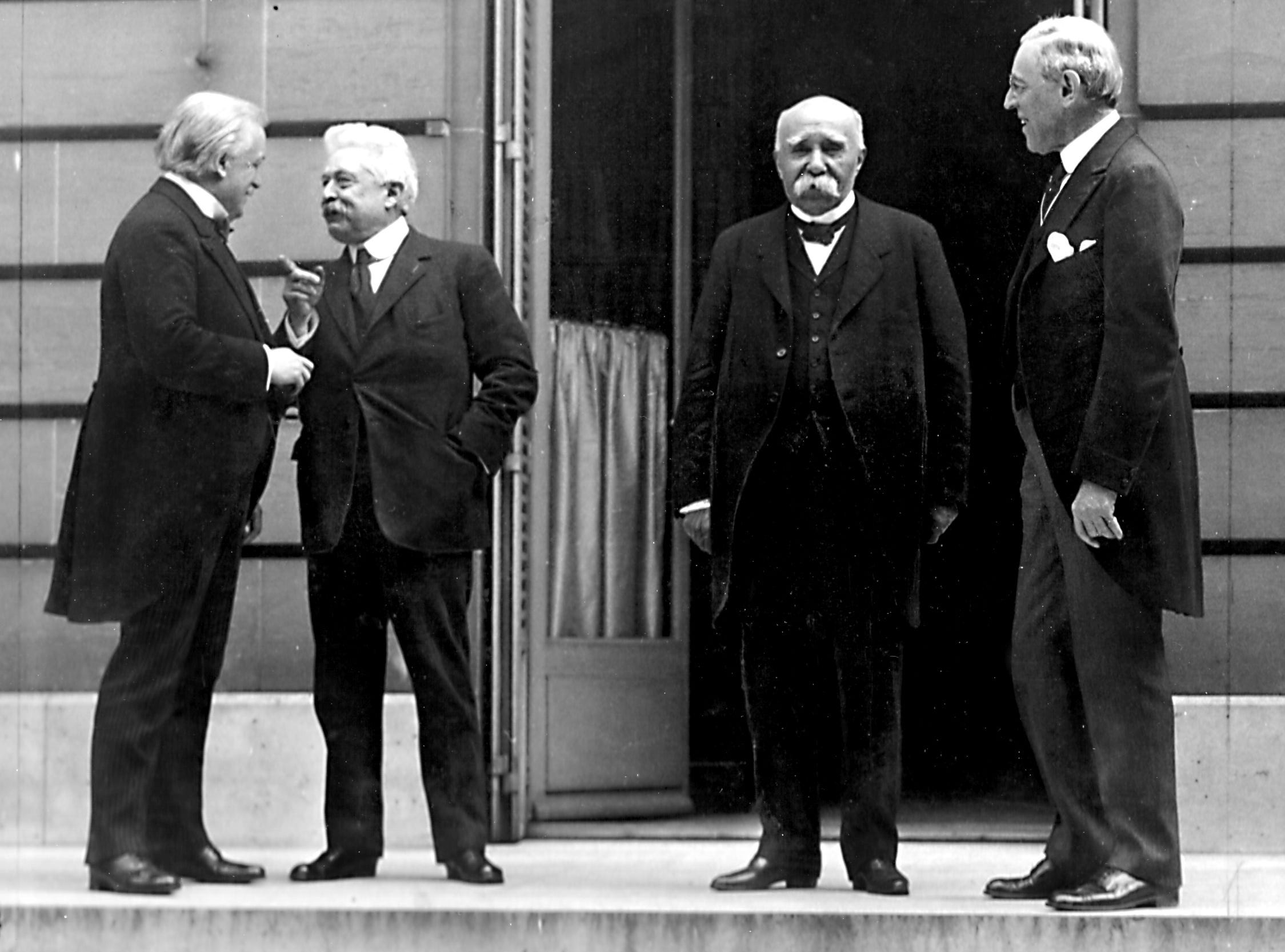
Most people don’t lose their vision for the future because they get lazy, they lose it because they get tired and beat down.
Somewhere along the way the dream starts feeling like a burden they’re carrying alone. And sometimes the right decision is to change directions before it costs you everything.
President Woodrow Wilson had a dream and passion like that, big enough to reshape the world after World War I, and he carried it until it broke him… never living to see how right he was.
Sometimes in life, your dreams will feel so large that you’ll never achieve them and the task of chasing them will outlive you. Here’s why that’s exactly what you need and why sometimes the right move for leaders carrying immense pressure, may be to change directions and opt-out of the chaos that is consuming them.
Thank you for reading! If Leader Unlock has helped you think clearer, lead steadier, or take one real step forward... I’d love for you to upgrade to a paid subscription.
Paid members get:
Full-length essays and frameworks 2x per week
Instant access to the full Leader Unlock archive
Community perks, live discussions, early releases
Upgrade today and help strengthen what we’re building here... practical leadership, less chaos, and a community that wants to grow on purpose.
President Herbert Hoover had high admiration for President Wilson and was so moved by Wilson’s sacrifice and efforts to try to heal the world, he later recounted his experiences as an aide to Woodrow Wilson at the peace talks after World War I.
This important first-person narrative candidly details the difficulties that Wilson faced in what Hoover called “the greatest drama of intellectual leadership in all history.”
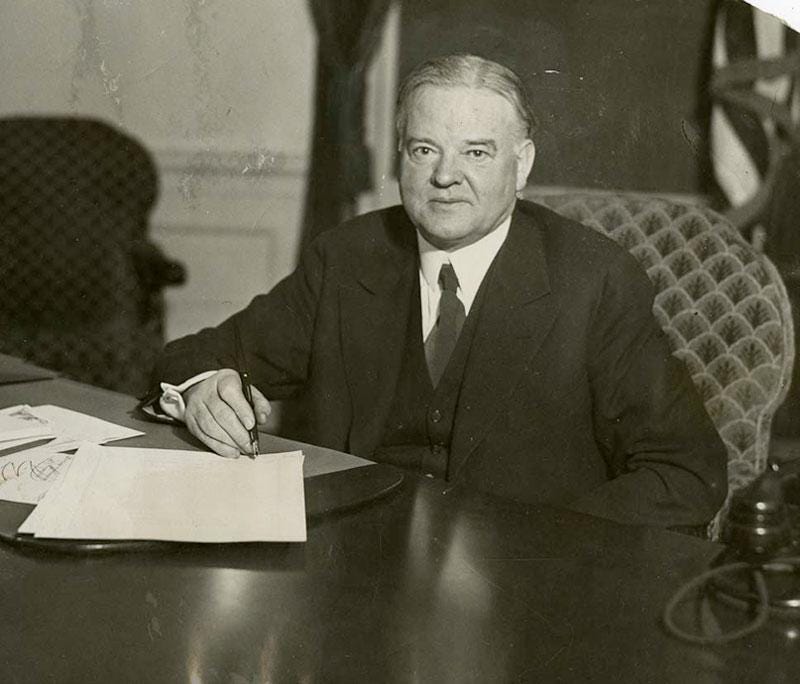
Wilson’s Dream and the Cost of Carrying It
After World War I, Wilson walked into the peace talks carrying the future on his shoulders, and later, Herbert Hoover wrote about watching him grind through the Paris negotiations, long meetings, stacks of papers, a body running on fumes while the pressure kept rising, quoted saying, “He possessed great clarity of thought, with an ability quickly to reduce problems to their bare bones.” President Herbert Hoover
At first, the world wanted to believe a better future could be built, and for a while, Wilson was treated like the man who could help shape it, but eventually he ran into stubbornness, political games, and leaders who didn’t want to change, and the people who once applauded him became some of his loudest critics.
And the burden didn’t stay emotional.
It became real through physical decline.

The stress and the weight of trying to lead people into something they refused to accept wore him down. He suffered a stroke that heavily debilitated him and he had to withdraw. Sadly, he never recovered… a few years later he died.
What makes the story even more painful is not only that he didn’t get to finish what he started, but that the world didn’t get what it needed either, because the failure to build a durable peace didn’t stay contained.
It led to an even more tragic war.
World War II.
Most mainstream historical estimates put World War II deaths at around 60 million people (military and civilian combined), though exact totals vary by what’s counted and by source. The Imperial War Museums uses about 60 million , while Encyclopedia Britannica notes estimates ranging roughly 35 to 60 million .
After World War II, the nations of the world formed the United Nations, and in doing so they came to agreement with nearly all of the recommendations President Wilson had originally been trying to lead the world into building as a foundation for peace and prosperity.
He didn’t live to see it.
But his vision still shaped the future.

The Tax Leaders Pay
Wilson carried a vision that outlived him. That dream might have also caused his decline. His cause and dream was righteous
You might be carrying a dream for your family, your team, or your next season, and the real threat isn’t that you’ll stop caring, the real threat is that you’ll get so worn down you’ll stop being able to function in real life.
If you find yourself saying, “I used to have a picture of the future, but the chaos has caused me to stop looking at it.” OR, “I still want it, but I’m tired of carrying it alone.”… the right answer might be to change directions or even step down.
Recently, I spoke to a seasoned senior executive who resigned from their last role and isn’t sure what their next is yet. Their decision wasn’t impulsive, it was the end of a long season where the cost kept rising, where leadership above them started prioritizing task ahead of people, where everything became transactional. The stress became more than they could carry without it starting to impact their hopes, dreams, and even physical well being.
It was the right decision to opt-out.
When It’s Time to Set the Dream Down
Wilson didn’t stop caring... and that’s the part leaders need to hear without shame or bravado, because there is a difference between quitting and choosing a different direction that admits, “If I keep carrying this the way I’ve been carrying it, I’m going to lose myself.”
That senior executive didn’t opt-out because they were weak, they opted out because they could see what the system was becoming, and they refused to let a transactional culture slowly grind the life out of them.
If you’ve ever been in that place you know the strange mix of emotions that comes next... relief, grief, fatigue, and the quiet fear that maybe you’ll never dream like that again… and how it impacts your psyche about legacy.
I recently had a friend put it this way “The constant accusation I hear is I’m a failure and going to lead my family into ruin… which I know is a lie, but man, it’s so LOUD!”
But here’s what I want you to hear.
Sometimes the dream is still right... but the environment is wrong.
Sometimes your vision is still good... but the way you’re carrying it is unsustainable.
So if you’re in a season where the dream feels heavy, don’t rush to interpret that as failure, and don’t rush to force clarity you don’t have yet, because exhaustion always tries to convince you that the future is smaller than it is.
Maybe your next move is not to push harder. Maybe your next move is to set one burden down, tell a trusted advisor the truth about what you’re carrying, and give your mind and body room to exhale...
The goal is to build a life where the dream can live... and where the people you love still get the best of you when you walk through the door.
Much Love,
Chris
You don’t have to carry this alone. If you’re a leader who needs room to process the weight you’re holding, I’d love to connect with you. You can start by becoming a paid subscriber, or join the Founders Circle for a free 30 minute 1-on-1 call with me.
This framing of what looks like giving up is often just exhaustion from the environment is the part that feels most accurate to me.
One way I read Wilson’s story is through the distinction between a purpose and a mission: Purpose is enduring while missions are contextual. Wilson wasn’t wrong about what the world needed, but the specific mission he was carrying became unsustainable in that moment, with those constraints, in that system.
Stepping away from a mission isn’t abandoning your purpose. It’s just acknowledging that purpose can be expressed through multiple missions over a lifetime, and not all of them are meant to be fulfilled at all costs.
Choosing a different direction isn’t quitting. It’s preserving the capacity to keep serving the underlying purpose at all.
A reminder that the loudest voice we hear is often our own.